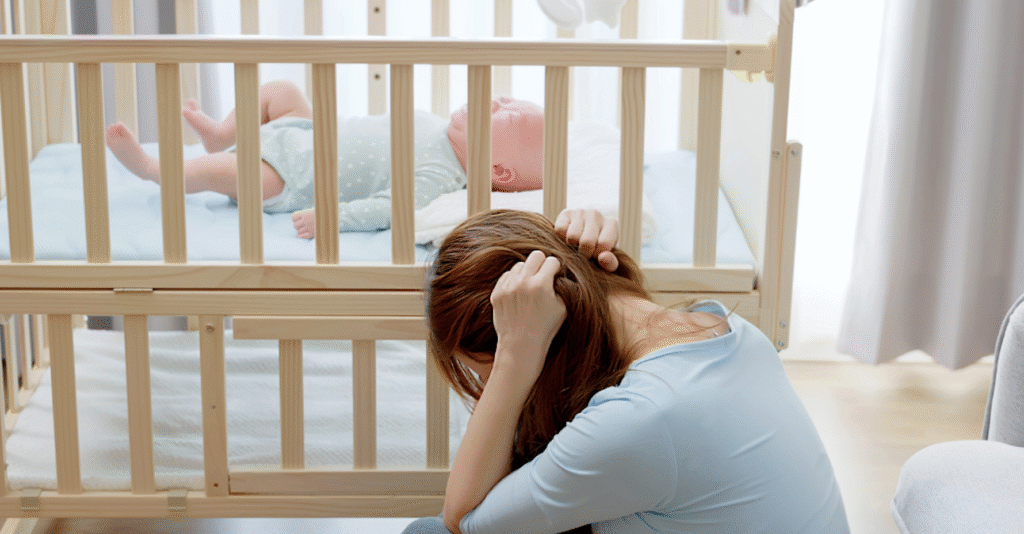
Welcoming a new life into the world is undoubtedly a joyous occasion, filled with love and dreams of a bright future. However, for some mothers, the postpartum period brings not only the expected challenges of caring for a newborn, but also a silent struggle that can cast a shadow over this seemingly blissful time called postnatal depression.
When I say silent, there’s a real reason to call it that; it’s very difficult for a mother to recognise that she’s suffering from postnatal depression because everything is overwhelming. You may experience a lack of sleep, tiredness, or exhaustion. It’s easy to focus on your baby and everything around them, making postnatal depression a taboo subject to talk about. So, it’s crucial, as an IBCLC or any other professional working with these mothers, to refer these patients to the right healthcare provider if we think someone may be suffering from postnatal depression.
So, what exactly is postnatal depression? What symptoms may you present with? What causes postnatal depression? Let’s delve into these questions, and, as usual, I’ll give you my top five tips to overcome this complicated period of time.

What is Postnatal Depression?
Postnatal depression, often referred to as postpartum depression (PPD), is a type of depression that many parents experience after having a baby. It’s a mental health condition that affects more than 1 in 10 women within a year of giving birth, but it’s also known that it can affect fathers and partners. PPD is underrecognised and under treated, so it’s essential to recognise that this is more than just the “baby blues”, a common and transient emotional state that many new mothers experience when they feel a bit down, tearful on anxious.

Postnatal depression is a more persistent and severe form of mood disorder, impacting a mother’s ability to cope with the challenges of motherhood and daily life. Recent research has identified several psychosocial and biologic risk factors for PPD.
What Symptoms May you Present?
Identifying postnatal depression can be challenging, as symptoms may vary from person to person. However, the most common ones you can suffer with may include:
- Persistent feeling of sadness: Overwhelming feelings of sadness or hopeless that linger beyond the typical “baby blues” period.
- Fatigue and lack of energy: Constant exhaustion and feeling tired all the time
- Intense irritability: Unexplained irritability, severe mood swings, or difficulty concentrating and making decisions.

- Appetite changes: Significant changes in appetite, whether it’s an increase or decrease in food intake. Also, gaining or losing weight.
- Body discomfort: Suffer physical discomfort like headaches, body pain, or gut issues without apparent cause.
- Sleep disturbances: Trouble sleeping at night time (even when the baby is sleeping) and having disturbances in sleep patterns. Also, you may experience the opposite, and you’re sleeping too much.
- Feelings of guilt, shame, frustration or worthlessness: An unshakable sense of guilt, inadequacy, or worthlessness.
- Withdrawal from activities: Losing interest in things or activities you normally like and enjoy doing and withdrawing from contact with friends and family.
- Bonding: Having problems bonding with your baby and finding it difficult to look after yourself and your baby.
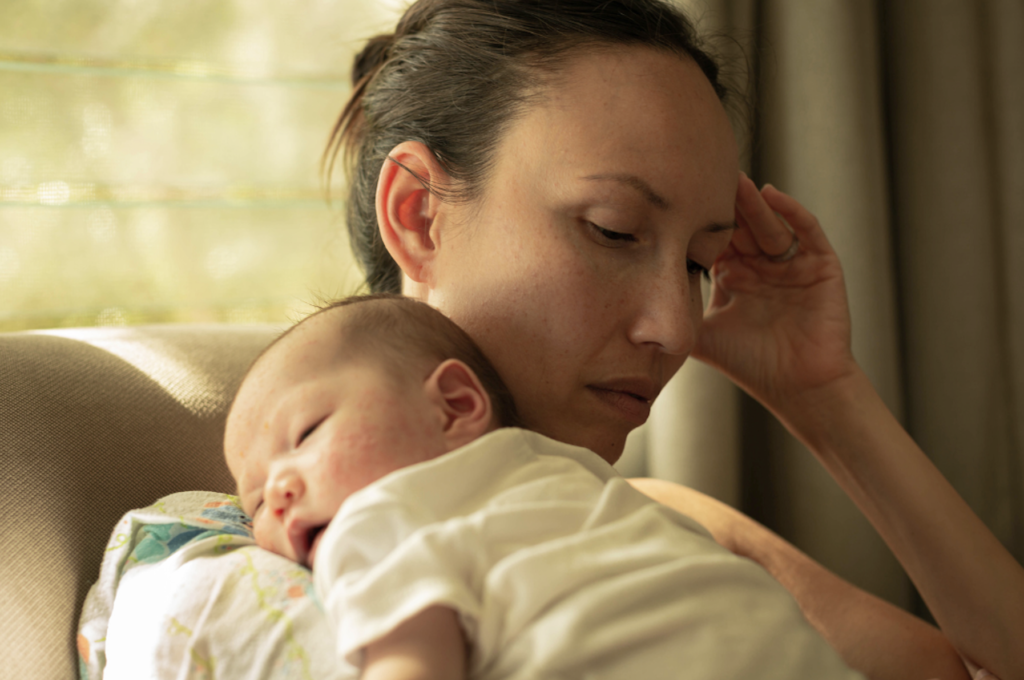
- Frightening thoughts: These symptoms are rare and unusual (only in severe cases), but you may think about hurting yourself or your baby and also thinking about suicide.
Many women do not realise they have postnatal depression because it can develop gradually, and also because all of the changes your body is experiencing, like lack of sleep, feeling tired, appetite, lack of libido, and some others symptoms that can be confused with normal changes a mother can experience during the postnatal period.
What Causes Postnatal Depression?
Causes of postnatal depression are not completely clear. It can happen to any woman after having a baby. However, there are a number of things that increase the risk of suffering PPD. These possible causes include:
- Mental health problems: A history of mental health problems during pregnancy, like depression or anxiety.
- Lack of support: Having no close family or friends to support you or having a difficult relationship with your partner.

- Stressful life events: Especially during the pregnancy or early postpartum, such as a bereavement.
- Stressful experience with other pregnancies: Such a birth trauma, breastfeeding difficulties, miscarriage, or a premature baby.
My Top 5 Tips to Overcome Postnatal Depression
Being aware about what causes postnatal depression can help us prevent it. Here are some tips to navigate through this challenging period:
1. Seek professional help: Consulting with a mental health professional, such as a therapist, is a crucial step in addressing postnatal depression. They can provide a safe space for you to express your feelings and offer guidance on coping mechanisms.
2. Self-care matters: Accepting the demands of caring for a new born, don’t forget to look after yourself and try to maintain a healthy lifestyle.
3. Build a support team: Having someone you can talk to and turn to for support is very important. Share your feelings with your partner, family or friends. Surround yourself with those who understand and can offer help.
4. Connect with other mothers: Joining support groups for mothers experiencing postnatal depression can provide a sense of community and understanding. Sharing your experiences and learning form others can be therapeutic. Also, going to antenatal classes and making friends with other pregnant women can also be helpful.

5. Set realistic expectations: Understand that perfection is unachievable, and it’s okay to ask for help. Adjusting expectations and being kind to yourself are crucial.
Postnatal depression is a formidable challenge, but with the right support and interventions, recovery is not only possible but probable. By acknowledging the symptoms, seeking help, and embracing self-care, mothers can navigate the depths of this difficult period and emerge into the light of hope and healing. Remember, you’re not alone in this journey, and it’s okay to ask for help. Don’t let this make you feel frustrated or a bad mother.